
CRANIAL ADJUSTMENTS FOR RESPIRATORY HEALTH
Cranial Facial Release (CFR) was developed in the 1930s by Dr. J. R. Stober.
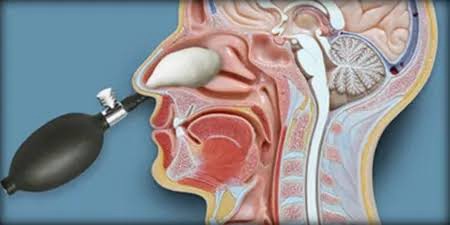
CFR is an advanced endo-nasal “balloon assisted” cranial adjusting technique that has been used quite successfully in the treatment of various, respiratory, neurological and structural disorders. CFR is a drug and surgery-free technique and offer relief for common breathing issues such as snoring, difficulty breathing at night, allergies and congestion, and sinusitis.
Mechanism Of Action
The objective of CFR technique is to unlock cranial fixations and induce mobility in the cranial system – primarily targeting the sphenoid bone, with the purpose of facilitating normal cranial respiratory motion and normal cranial function.
This technique is performed by inserting a tiny balloon in the nose (specifically the naso pharynx) that are quickly inflated to mobilize the bones of the face and cranium.
It is a very fast procedure and feels similar to the sensation of jumping into a swimming pool and having water shoot up your nose – it isn’t exactly painful, but not the most comfortable sensation either – but it’s quick!
The whole process takes less than 2 minutes (takes about 2 to 3 seconds repeated 3 times in each nostril). For best benefits, it should be performed in a series of 3 or 4 individual treatment in 1 month.
To understand how CFR works, it is important to realize that the skull is NOT one solid bone. It is made up of 22 individual bones that actually move every time you breathe – or at least they are supposed to.
But cranial fixations are a common occurrence and often times the root cause of many chronic neurological conditions and recurrent pain syndromes that don’t respond to conventional chiropractic adjusting procedures.
Frequent causes of cranial aberrations and sutural fixations are things like head trauma, birth trauma, uneven bite force (TMJ disorder), bruxism, etc..
CFR is great for things like sinusitis, breathing disorders, snoring, sleep apnea, deviated septums, migraine headaches, vertigo, facial pain, facial paralysis, TMJ disorder, Post-Concussion Syndrome, seizures, neurological disorders, and more.

 Dott Thomas Corfmat D.C. - Chiropractico
Devi effettuare l'accesso per postare un commento.